
The Murder Of Rachel Nickell, directed by Lucy Bowden, is a true-crime documentary now streaming on Netflix. A factual companion to the fictional series, The Witness (2026), also streaming on Netflix, the film reconstructs the investigation into Rachel Nickell’s murder in 1992 while questioning the decisions that shaped it.
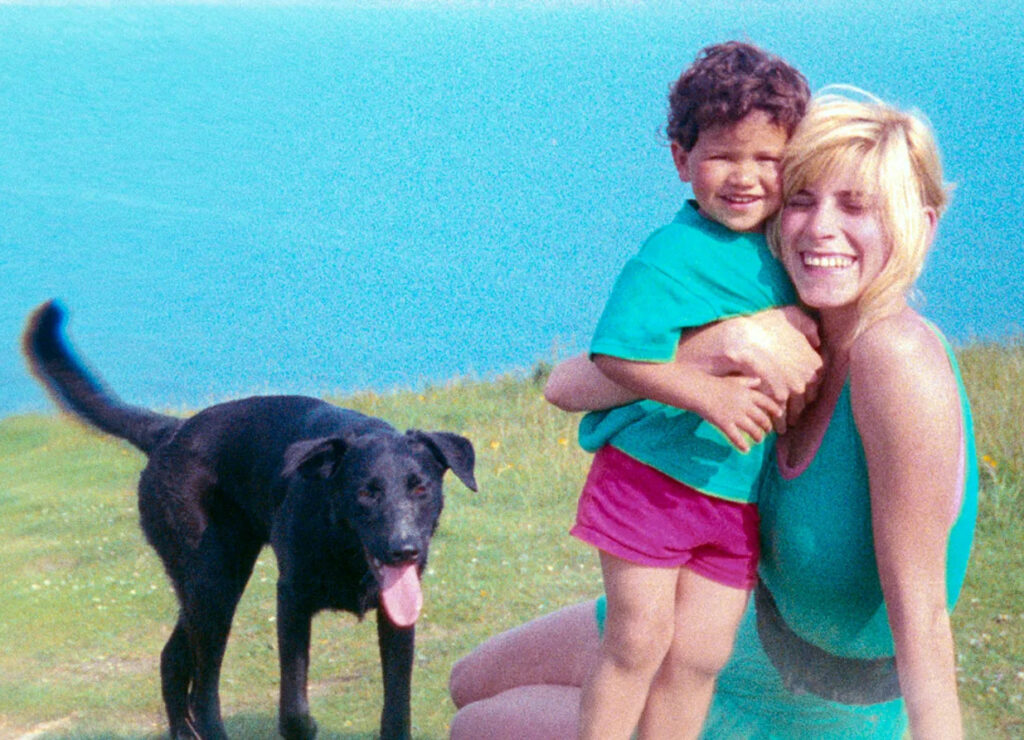
The Murder Of Rachel Nickell begins by introducing Rachel through the memories of the person who knew her the best, her partner, André Hanscombe. Rather than beginning with the murder, Bowden first establishes Rachel as an ordinary woman with a loving family and a life beyond the crime. Through home videos, photographs, and André’s recollection, the film shows Rachel’s everyday family routine, her loving relationship with her son, Alex, and the warmth they shared. This approach is extremely effective as it encourages the audience to connect and empathize with Rachel as a person before learning about her brutal murder, thus emphasising the human impact of the crime rather than showing her solely as a victim of the investigation.
Thereafter, the narrative returns to that fateful day of 15th July 1992, when Rachel was brutally sexually assaulted and stabbed multiple times while she went for a walk with her almost three-year-old son, Alex, on Wimbledon Common in South-West London. Clinging to his mother’s body after the attack, Alex becomes the only witness, a fact that drives much of the investigation despite his extremely young age. Due to Alex’s age, the investigation becomes that much more difficult. The police have almost no clear evidence despite forensic investigations, so they are more and more desperate to build a case from the traumatized child’s fragmented memory. This desperation drives much of the documentary’s narrative. The film then shows how this pressure leads to mistakes, false assumptions, and a long, painful search for justice.
Through testimonies from family, former investigators, and other key figures involved in the case, it shows how police decision-making, intense public pressure, and restless media scrutiny transformed this case into one of the most controversial investigations in British history. The controversy increased not only because of the brutality of the case but also because of the series of investigative failures, including misidentifying the killer, and major disagreements over forensic evidence. As the case went on for years and remained unsolved, public confidence in the police declined, while the media increasingly focused its criticism on the failure of the investigation, questioning the effectiveness of modern policing and forensic practices.
André, in the documentary, is the primary narrator and gets the majority of screen time. His recollection of the events guides the film through the journey of the case, and the investigation, too, unfolds from the perspective of someone who experienced it all first hand. The documentary intertwines the interviews, archival material, and official records in a way that each if them flow through each segment naturally and seamlessly. Every interviewee adds another layer of information, creating a gradual narrative. Experts and former investigators explain where key decisions were made throughout the inquiry, acknowledging the critical mistakes that occurred and how they affected the outcome of the case. Their interviews increase the documentary’s credibility while keeping its attention on institutional accountability.
Alex, one of the documentary’s most significant contributors, is introduced only towards the conclusion, maybe to preserve dramatic revelations. While it does create anticipation, the delayed introduction disrupts the otherwise very measured structure of the film. Bringing him into the documentary earlier could have strengthened the narrative by allowing viewers to better understand the long-term impact of Rachel’s murder on his life. His perspective as the sole witness of the crime could also have been helpful to the documentary’s wider exploration of trauma, memory, and justice, and how both the crime and the investigation shaped his life from childhood.
Bowden includes only a small number of re-enactments, as recreating the murder in detail would risk sensationalising Rachel’s death and distracting from the central point of the film. Instead, these re-enactments provide just enough visual context to help the audience understand the events, ensuring the emphasis remains on the investigation and its consequences.
The cinematography (Tim Cragg) is effective in a way where there are no undue dramatic camera movements. Present-day interviews are filmed in a setting that reflects each of their backgrounds and while studio-style lighting is used, it keeps attention focused on the interviewees. In contrast, archival footage appears grainy and high in contrast, giving it a layer of authenticity. These techniques effectively strengthen the documentary’s investigative tone. Although a few stylistic choices occasionally disrupt the viewing experience such as some prolonged close-ups and extended shots of the interviewees. These appear them to be ‘posing’ for the camera and feel slightly forced, taking the viewer out of the world of the film. Also, the documentary loses some steam in the middle stages of the investigation, which slows down the momentum and delays one of the case’s most significant later developments.
The editing by Tom Dixon-Spain works well with the film’s pacing, with both the interviews and archival material unfolding at their own pace. This helps one get an idea about how prolonged and often frustrating the investigations must have been in real life. Rather than relying heavily on an emotional musical score, the film often foregrounds diegetic sounds such as television news broadcasts and the ambient sounds present within archival recordings, helping to immerse the audience within the context and world of the film.
Overall, The Murder Of Rachel Nickell succeeds well enough as a compelling crime documentary. With its effective use of interviews and archival material, combined with the focus on the people affected, the film is both informative and a thought-provoking watch.
Documentary, Drama, Crime, Color
